Stem Cell Therapy for Spinal Stenosis in Florida | Non-Surgical Relief
Why Choose Total Spine Wellness for Disc Regeneration?
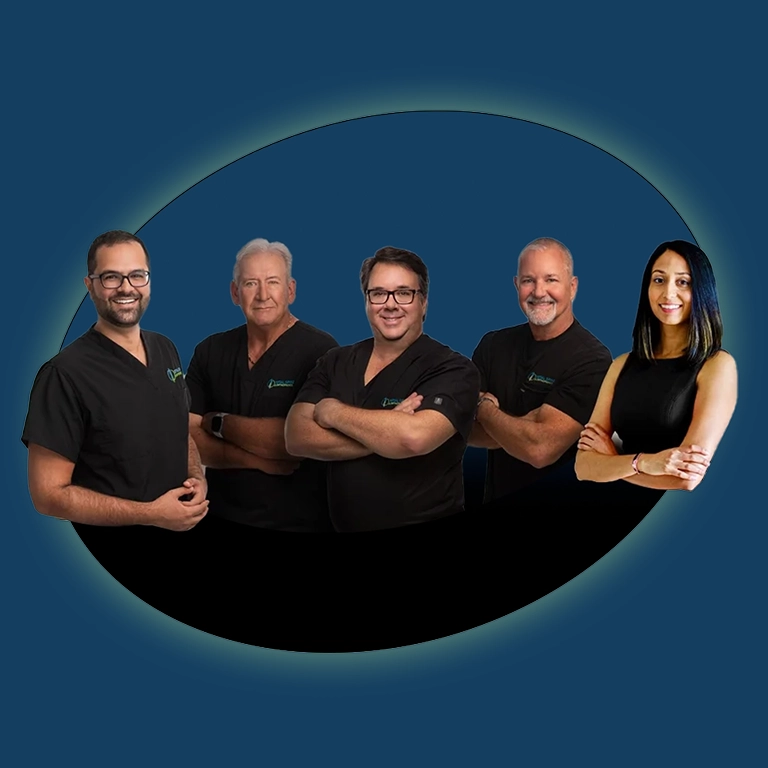
At Total Spine Wellness, we lead with experience, compassion, and innovation. Our customized regenerative protocols, state-of-the-art imaging, and multi-specialty team ensure your spine gets the attention it deserves.
We also offer a wide range of related treatments, including:
- Endoscopic Spine Surgery
- Stem Cell Therapy
- PRP Therapy
- Disc Regeneration
If you’ve been silently battling disc pain and wondering if there’s any hope for healing, you’re not alone. It’s natural to ask can spinal discs regenerate—and thankfully, the answer today is more promising than ever. At Total Spine Wellness, we use advanced techniques designed to help regenerate disc tissue, reduce pain, and restore function. Whether you’re newly diagnosed or have been living with this for years, it’s never too late to explore your options. can a degenerated disc regenerate fully? With the right care plan and expert guidance, significant healing is absolutely possible.
Book your consultation today and take the first step toward long-term relief and a healthier spine.
Stem Cell Therapy
Introduction
Living with spinal stenosis can feel like your world is slowly shrinking—less movement, more pain, and constant worry about whether surgery is the only option left. That’s why more patients across Florida are now exploring spinal stenosis stem cell therapy as a minimally invasive alternative that focuses on healing, not just masking symptoms. At Total Spine Wellness, our focus is simple: honest evaluations, safe regenerative care, and long-term spine health.
If you’re wondering whether spinal stenosis stem cell therapy could help you avoid surgery or reduce daily discomfort, this guide will walk you through everything you need to know.
What Is Spinal Stenosis?
Spinal stenosis is a condition where the spaces within your spine narrow, putting pressure on the spinal cord or nerves. This compression can lead to pain, numbness, weakness, and reduced mobility.
Most people develop stenosis as a result of:
- Age-related degeneration
- Disc bulges or herniations
- Arthritis and bone spurs
- Thickened ligaments
- Prior injuries
While it can happen anywhere in the spine, the lower back (lumbar) and neck (cervical) are most commonly affected.
Types of Spinal Stenosis (Cervical vs Lumbar)
Cervical Spinal Stenosis
Occurs in the neck and can cause:
- Neck pain
- Arm/hand numbness
- Difficulty with coordination or balance
Lumbar Spinal Stenosis
Occurs in the lower back and often leads to:
- Back pain
- Leg pain or cramping
- Trouble standing or walking for long periods
Both types can significantly reduce quality of life—but spinal stenosis stem cell therapy may offer an alternative when conservative care isn’t enough.
Common Symptoms of Spinal Stenosis
You may be dealing with spinal stenosis if you experience:
- Back or neck pain
- Burning or tingling in arms or legs
- Weakness in hands, feet, or legs
- Difficulty walking
- Pain that worsens when standing but improves when bending forward
These symptoms tend to worsen over time if the underlying cause is not addressed.
Why Standard Treatments Do Not Always Work
Most patients begin with traditional treatments:
- Physical therapy
- Chiropractic care
- Anti-inflammatory medications
- Nerve blocks or epidural injections
While helpful for short-term relief, these do not correct the underlying tissue damage or degeneration. Surgery is often recommended when symptoms become severe—but surgery carries risks, long recovery times, and is not always successful.
This is where spinal stenosis stem cell therapy offers a promising, non-surgical option.
How Stem Cell Therapy Works for Spinal Stenosis
Spinal stenosis stem cell therapy uses your body’s own regenerative cells—typically harvested from bone marrow—to help reduce inflammation and support tissue repair around compressed nerves and degenerating discs.
The treatment process generally includes:
- Consultation & Imaging Review
Your spine specialist reviews MRI findings to identify the exact cause of stenosis.
→ Learn more about stem cell therapy for spine - Cell Collection
Bone marrow is drawn from the pelvis in a minimally invasive procedure. - Processing the Cells
Your cells are concentrated into a powerful regenerative solution. - Image-Guided Injection
Using ultrasound or fluoroscopy, stem cells are injected precisely into targeted areas—such as the facet joints, spinal ligaments, or damaged discs. - Healing & Recovery
Most patients notice improvement within 6–12 weeks as inflammation decreases and mobility improves.
Because the injections are done with image guidance, precision is significantly improved compared to blind injections.
Spinal stenosis stem cell therapy may help reduce pressure around the nerves, restore stability, and slow the progression of degeneration.
Who Is a Good Candidate for Stem Cell Treatment?
You may be a candidate for spinal stenosis stem cell therapy if you have:
- Lumbar or cervical spinal stenosis
- Degenerative disc disease
- Facet joint arthritis
- Chronic back or neck pain
- Nerve symptoms that have not improved with conservative care
This therapy is ideal for patients hoping to avoid or delay spine surgery.
Get a personalized evaluation:
→ Schedule your spinal stenosis consultation
Not sure if your MRI qualifies?
→ Upload your imaging here
Key Benefits of Stem Cell Therapy for Spinal Stenosis
Patients turn to spinal stenosis stem cell therapy because it offers:
- Non-surgical relief
- Reduced inflammation around nerve roots
- Improved mobility and reduced pain
- Faster recovery with minimal downtime
- Possibility of delaying or avoiding surgery
- Natural healing using your own cells
For many, the biggest benefit is regaining the ability to walk, stand, or exercise without debilitating pain.
Explore stem cell therapy for herniated discs here
Risks and Limitations You Should Know
While spinal stenosis stem cell therapy is generally safe, it is not perfect.
Potential risks include:
- Temporary soreness
- Mild swelling at the injection site
- Rare infection
- No guarantee of complete relief
It also may not be effective for severe structural issues like severe instability or large bone spurs compressing nerves.
Honest evaluations matter—our team ensures that stem cell therapy is recommended only when appropriate
Stem Cell Therapy vs Spine Surgery for Stenosis
Many patients want to avoid the risks of surgery, such as:
- Long recovery
- Hardware failure
- Limited mobility
- Failed back surgery syndrome
Spinal stenosis stem cell therapy offers a minimally invasive path that focuses on natural healing.
However, surgery may be necessary for:
- Severe spinal instability
- Progressive neurological deficits
- Severe spinal cord compression
Our team helps you choose the right path for your condition.
→ Learn about Regenerative Medicine Treatments in Florida and alternatives
What to Expect at Our Spine Clinic in Florida
At Total Spine Wellness, your visit includes:
- Consultation & full spine assessment
- MRI review to determine the source of stenosis
- Personalized treatment plan, using stem cell therapy if appropriate
- Image-guided regenerative procedure
- Rehab plan to optimize recovery
You’ll be supported by a specialized spine care team throughout the process.
When You Should Seek Help for Spinal Stenosis Symptoms
Seek evaluation if you notice:
- Increasing leg or arm numbness
- Pain that limits walking
- Difficulty standing upright
- Loss of balance
- Worsening back or neck pain
Stenosis worsens over time, and early treatment can prevent progression.
Schedule Your Stem Cell Consultation for Spinal Stenosis
If you’re tired of letting back or neck pain dictate your life, spinal stenosis stem cell therapy may be the non-surgical solution you’ve been searching for. Our Florida clinic specializes in regenerative treatments that help restore mobility and reduce chronic pain.
Take the first step today:
→ Book your stem cell evaluation
→ Get your MRI reviewed for free
Reclaim your mobility. Rediscover your life.
FAQs: Spinal Stenosis Stem Cell Therapy in Florida
Does stem cell therapy really help spinal stenosis?
Stem cell therapy may help reduce inflammation, support tissue repair, and improve mobility in patients with spinal stenosis. Many individuals experience reduced nerve compression symptoms and better daily function, especially when stenosis is caused by disc degeneration or joint inflammation. However, it’s not a cure for severe structural narrowing.
How long does it take to feel improvement after stem cell treatment?
Most patients begin noticing improvement within 6–12 weeks, with continued progress over several months as inflammation decreases and tissues heal. The timeline varies based on severity, lifestyle, and the specific areas treated.
Is stem cell therapy for spinal stenosis FDA-approved?
The FDA has not approved stem cell products for spinal stenosis specifically. However, the procedure performed using your own bone-marrow-derived cells (BMAC) is permitted under current FDA guidelines for minimally manipulated autologous use. Clinics must follow strict safety and handling protocols.
How long do stem cell therapy results last?
Results can last anywhere from 6 months to several years, depending on your condition, activity levels, and how well you respond to the treatment. Many patients use it to delay or avoid surgery while improving quality of life.
Can stem cell therapy help me avoid spinal surgery?
For many patients, yes — stem cell therapy can reduce symptoms enough to avoid or postpone surgery, especially when stenosis is due to inflammation, disc degeneration, or joint arthritis. However, patients with severe spinal instability or major nerve compression may still require surgical intervention.
How much does stem cell therapy for spinal stenosis cost in Florida?
Costs vary by clinic, condition severity, and the number of treatment sites. In Florida, most treatments range between $4,000 and $10,000, depending on the complexity. Because the procedure is elective and regenerative, insurance companies typically do not cover it.
Is the procedure painful?
Most patients tolerate the procedure well. Bone marrow extraction involves mild pressure, and the injections are performed under image guidance for accuracy and comfort. Some soreness can occur for 24–48 hours afterward.
Who is not a good candidate for stem cell therapy?
Patients with severe spinal cord compression, major instability, advanced bone spurs, or rapidly progressing neurological symptoms may not benefit from stem cell therapy. Individuals with bleeding disorders, active infections, or certain cancers may also not qualify.
What is the success rate of stem cell therapy for spinal stenosis?
Studies and patient outcomes suggest 60–80% of suitable candidates experience meaningful symptom relief, improved mobility, and better function. Success depends on proper diagnosis, precise injection technique, and treating the right pain generators.
FAQs About Seeing a Spine Doctor in Melbourne
Do I need a referral to see a spine doctor in Melbourne, FL?
No referral is required for your initial consultation, though bringing prior imaging or medical records can be helpful.
What symptoms mean I should see a spine specialist?
Persistent back or neck pain, numbness, tingling, or weakness are among the indicators of the need for a specialist rather than a general practitioner.
Do you offer non-surgical options before recommending spine surgery?
Yes, most patients start with conservative care, including physical therapy, PRP, or stem cell therapy, before considering surgery.
Can I receive stem cell or PRP therapy at your Melbourne clinic?
Absolutely. Our Melbourne clinic provides regenerative options for eligible spine and joint conditions.
Do you accept insurance, and what payment options are available?
We accept most major insurance plans and offer flexible payment options for procedures not covered.
How quickly can I get an appointment with a spine doctor in Melbourne?
Appointments are typically available within a few days, depending on availability and your specific needs.
Table Of Contents
- Introduction
- What Is Spinal Stenosis?
- Types of Spinal Stenosis (Cervical vs Lumbar)
- Common Symptoms of Spinal Stenosis
- Why Standard Treatments Do Not Always Work
- How Stem Cell Therapy Works for Spinal Stenosis
- Who Is a Good Candidate for Stem Cell Treatment?
- Key Benefits of Stem Cell Therapy for Spinal Stenosis
- Risks and Limitations You Should Know
- Stem Cell Therapy vs Spine Surgery for Stenosis
- What to Expect at Our Spine Clinic in Florida
- When You Should Seek Help for Spinal Stenosis Symptoms
- Schedule Your Stem Cell Consultation for Spinal Stenosis
- FAQS
Send us a Message
Latest Articles