Total Spine and Orthopedics is proud to have brought two technologically advanced procedures together to change the way we treat back pain, neck pain, and degeneration.
Our board certified physicians use a combined procedure of endoscopic discectomy and stem cell therapy to offer a revolutionary approach to treating herniated discs and minimizing the risk of reherniation.
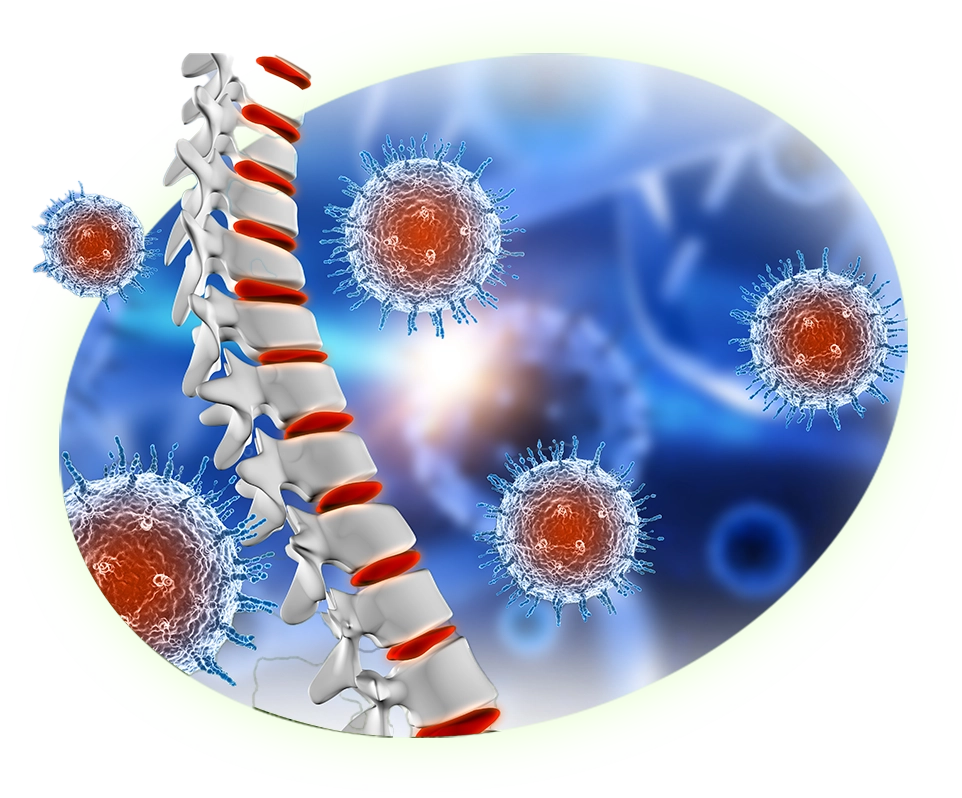
Discover the innovative approach to treating herniated discs with a combination of endoscopic discectomy and stem cell therapy. This minimally invasive procedure effectively removes the herniated portion of the disc, alleviating nerve pressure and reducing pain with minimal tissue damage and faster recovery.
The combination of endoscopic discectomy and stem cell therapy not only addresses immediate issues related to herniation but also contributes to long-term disc health, reducing the risk of future problems and promoting overall spinal wellness.
If you’re interested in exploring regenerative medicine for your herniated disc, we’re here to help. Our team of specialists can provide personalized advice and discuss available treatment options.
Discover how PRP therapy, BMAC therapy and Stem Cell therapy can transform spinal care. Explore the benefits, recovery process, and long-term advantages of this innovative treatment. Ready to learn more? Let’s dive in!
Here are some of the questions that we are asked most frequently at Total Spine and Wellness
Regenerative medicine aims to replace damaged tissue or organs caused by factors like age, disease, trauma, or congenital issues, as opposed to focusing solely on symptom management. This is achieved through the use of tissue engineering, cellular therapies, medical devices, and artificial organs.
By combining these approaches, we can enhance our body’s natural healing process where it is most needed. Regenerative medicine brings together experts from various specialties who wish to be on the cutting edge of medicine.
When our bodies are injured or affected by disease, they possess an innate ability to heal and defend themselves. What if we could harness this inherent power and accelerate the healing process in a clinically relevant manner? What if we could aid the body in healing more effectively?
The promising field of regenerative medicine strives to restore the structure and function of damaged tissues and organs. It also aims to develop solutions for organs that have sustained permanent damage. Ultimately, the goal of regenerative medicine is to create transformative healthcare solutions that could potentially help injuries and diseases that were previously deemed untreatable.
Stem cells are undifferentiated cells in our bodies that have the remarkable ability to develop into various types of specialized cells. They can divide and renew themselves to form more stem cells or differentiate into specific cell types, such as muscle, nerve, or blood cells. Stem cells play a crucial role in the development, growth, and repair of tissues and organs in our bodies. They hold great potential for medical research and regenerative medicine, as they may be used to treat a wide range of diseases and injuries.
Stem cells have the remarkable ability to develop into different cell types in the body and can also repair damaged tissues. When introduced into a specific area, they can promote healing through various mechanisms. Stem cells can differentiate into the desired cell type, replacing damaged cells directly. They can also secrete growth factors and proteins that stimulate the surrounding cells to regenerate and repair themselves. Additionally, stem cells can modulate the immune response and reduce inflammation, creating a more favorable environment for healing. These combined effects make stem cells a valuable tool for treating degenerative conditions.
These surgical procedures are considered part of a physician’s practice of medicine, allowing both the physician and patient to freely consider their preferred treatment options. While the FDA does provide guidelines for the treatment and manipulation of a patient’s own tissues, Total Spine adheres to these guidelines by offering same-day treatment using the patient’s unaltered cells, which are inserted during the procedure.
Not everyone is a good candidate for stem cell treatment. We offer a complimentary consultation and imaging review to determine if someone is likely to benefit from our treatments. If the severity of the condition is too great and a successful outcome is not likely, the patient will be told that in consultation.